
Dinolingo Kids Learn Languages
Dino LingoEducational
3.490.00 Reviews
- Version
- 4.1.8
- Installs
- 100.00K
- Age Rating
- Everyone
Screenshots
Our Review of Dinolingo Kids Learn Languages
 Analysis by Appyee
When a child opens Dinolingo Kids Learn Languages and immediately wants to tap every bright icon, the first hurdle is often not motivation but helping that curiosity turn into a manageable routine. I’d start by choosing one language and sitting with the child for the first few visits. That makes it easier to see how they respond to the games, songs, and stories, and to notice whether they can move around independently or need a little guidance.
Start small when the screen feels busy
A colorful children’s learning app can invite a lot of exploration, but jumping between activities may leave a young learner entertained without giving them time to remember a word. I’d keep the first session short and focused: let the child try one activity, then ask them to repeat a word or phrase away from the screen. That simple pause helps distinguish active learning from tapping for its own sake.
If the child keeps leaving an activity before it finishes, I wouldn’t treat that as a sign that language learning is a poor fit. It may mean the session is too long, the child is tired, or the activity is not the right starting point. A parent can make the experience calmer by offering a choice between two activities rather than opening the whole app and asking the child to decide what to do.
Check the basics before a first lesson
Before handing over the device, I’d check that the app is installed on a compatible device and that it opens normally. It is listed for Android 8.0 and newer, so an older system may be a reason to check compatibility before troubleshooting anything inside the app. The game is free to install and rated Everyone, while in-app purchases range from $9.99 to $199.99 per item; I’d review purchase settings with the child in mind before letting them explore alone.
It also helps to decide which language is the goal for the week. The choice can be based on a family connection, an upcoming trip, or simple curiosity, but keeping one focus makes it easier to use words again at dinner or during play. Since Dinolingo is made by Dino Lingo, the experience is built specifically around children learning languages rather than being a general-purpose language course adapted for younger users.
Recover the routine without turning it into a battle
If a child gets stuck, I’d first return to the last activity they remember enjoying instead of pushing them through a sequence. Close and reopen the app if it stops responding, then check whether the device itself is working normally. If the issue continues, restarting the device and confirming that the app is current are sensible general steps; they do not require guessing at a hidden setting or changing anything complicated.
For a missed day, there is no need to make up a long lesson. Bring back one familiar word in a real conversation, then use the next app session for a small amount of practice. That approach is easier to sustain than treating the game like homework, and it gives a parent a clearer sense of whether the child is retaining anything outside the screen.
Know when the app may not be the cause
Not every rough session points to a problem with the game. A weak connection, a nearly full device, or a child who is hungry or ready for bed can all make an otherwise simple activity frustrating. I’d try again when the child is rested and the device is behaving well before deciding the app itself is at fault.
It is also worth separating a technical problem from a mismatch in learning style. Children who want a live conversation with a fluent speaker, handwriting practice, or structured grammar explanations may need a class, a tutor, or a different kind of resource alongside a children’s app. Dinolingo works best as a playful introduction, not as a promise of fluency on its own.
A World of Languages at Your Fingertips
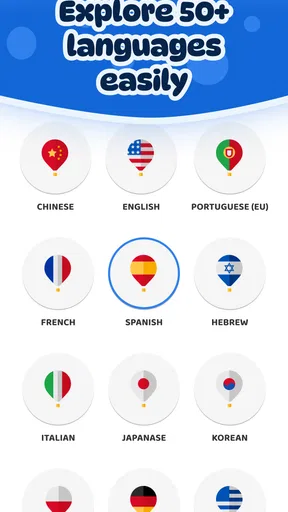
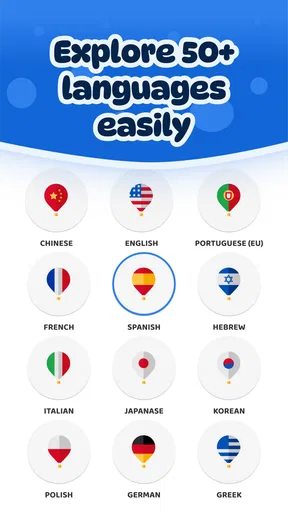
Imagine a world where learning languages is as easy as tapping your screen. That’s exactly what Dinolingo Kids Learn Languages aims to do. This app offers a treasure trove of languages, ranging from Spanish and French to less commonly taught ones like Swahili and Vietnamese. It’s like a mini language festival right in your pocket!
Interactive and Engaging Content
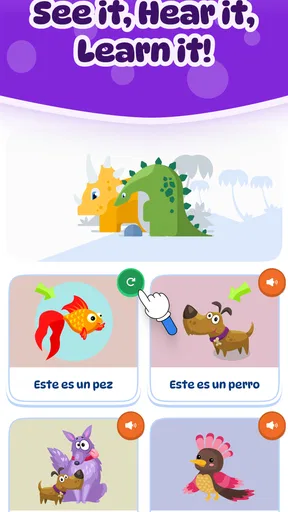
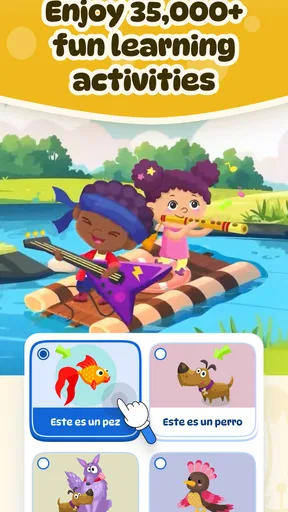
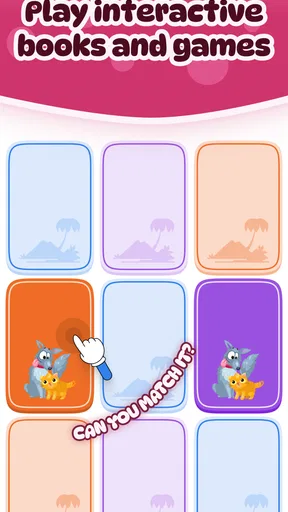
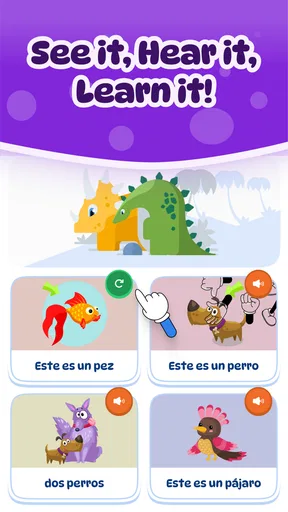
What really stands out to me is how interactive the app is. Kids aren’t just passively watching videos or listening to words; they’re actively participating. With games, songs, and stories, Dinolingo keeps the little ones hooked while they absorb new words and phrases. It’s like sneaking vegetables into their favorite meal—they learn without even realizing it!
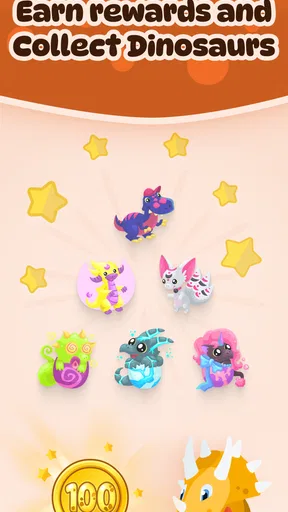
Adorable Dinosaurs as Learning Companions
Who doesn’t love dinosaurs? The app features these cute prehistoric pals as guides, and they’re a hit with the kids. Each dinosaur represents a different language, making the learning journey more relatable and exciting. My personal favorite? The Spanish-speaking T-Rex who dances along with the music!
User-Friendly Design
The interface is super intuitive, even for the youngest users. Bright colors, large icons, and simple navigation make it easy for kids to explore without getting frustrated. Parents can also take a back seat, knowing their kids are in a safe and educational environment.
Progress Tracking for Parents
Now, I know many parents want to keep an eye on their child’s progress, and Dinolingo doesn’t disappoint. The app provides detailed reports on what languages have been learned, how much time has been spent learning, and the child’s overall progress. It’s like having a personal language tutor at your disposal!
Learning on the Go
One of the best things about using this app is its portability. Whether you’re on a long car ride or waiting in line at the grocery store, Dinolingo transforms idle moments into learning opportunities. Just download the content in advance, and voilà—your kids are entertained and educated!
Subscription Details
Now, let’s talk logistics. Dinolingo is a free educational game, released on June 15, 2022, and its latest version is 4.1.5. It has an average rating of 3.5 from 554 ratings, with 90 written reviews and more than 100,000 installs. Its in-app purchases range from $9.99 to $199.99 per item, so I’d check what is included in any purchase and whether it suits the way your family plans to use the app. I would not assume that every language or activity is included at no cost.
Choosing it over other learning options
Compared with a general language app aimed at adults, Dinolingo puts child-friendly activities and visual engagement first. That is useful when a young learner is not ready for lessons built around drills, grammar labels, or long explanations. Compared with cartoons or language videos, its games give a child something to do rather than only watch, while songs and stories can make repeated exposure feel less like a lesson.
The trade-off is that interactive play does not automatically create a conversation partner. If your goal is for a child to speak comfortably with relatives, I’d pair the app with brief real-life exchanges: name a familiar object in the chosen language, sing a song together, or ask the child to teach you a word they remember. A tutor or class is a better fit when immediate correction and back-and-forth speaking practice are the main priorities.
Make the app part of an ordinary day
A realistic routine might be a short session after breakfast, followed by one small language moment later: ask the child to recall a word while getting dressed or point out something familiar on the way to the store. The point is not to turn every outing into a quiz. I’d use the app to introduce material, then let a child bring it into conversation when they feel like it. That makes practice easier to repeat without making the device the only place the language exists.
For travel, I’d prepare before leaving rather than relying on the app to solve a bored-child emergency at the last minute. Try the chosen activities at home first, confirm the device is behaving as expected, and keep another quiet activity available. A language game can help fill a wait, but a child who is already tired or overwhelmed may prefer a snack, a book, or simply a break from screens.
Use parent involvement as a light touch
The most useful role for an adult is not to hover over every tap, but to connect screen learning to something the child already cares about. If a song catches their attention, replaying it together later can be more valuable than rushing into a new activity. If they like dinosaurs, use that enthusiasm to make a word memorable; if the characters stop appealing to them, switch to a story or game rather than insisting that the dinosaur theme should work for everyone.
I’d also treat progress information as a conversation starter, not a scorecard. A report can help a parent see what the child has been exploring, but it cannot by itself show whether a word is understood or can be used naturally. Asking the child to choose a favorite word and use it in a playful context gives a better everyday check than measuring success only by time spent in the app.
Who will get the most from it
I think this is most promising for families who want a low-pressure way to introduce a child to another language, especially when the child responds well to music, stories, and visual play. It can also suit parents who want to explore a language alongside their child without presenting themselves as the teacher. The broad language selection is appealing when a family has a specific cultural, travel, or personal reason to start somewhere beyond the languages commonly offered in school.
I’d be more cautious if a child becomes frustrated by touch-screen navigation, needs an adult to translate every instruction, or is already spending more screen time than the family wants. It is also not the right standalone choice for an older learner seeking a formal course, detailed grammar, writing practice, or a measurable path to conversational fluency. In those cases, a teacher, workbook, or structured course can provide a clearer sequence, with Dinolingo used only as a lighter supplement if the child enjoys it.
Price, expectations, and a practical verdict
The free download makes it possible to try the basic experience before deciding whether a purchase makes sense, but the range of in-app purchase prices is wide. I’d check the purchase screen carefully with a parent present, compare the cost with how often the child is likely to use the material, and avoid buying simply because a child is excited in the moment. A useful test is whether the child returns willingly and remembers anything after a few short sessions; if not, paying more is unlikely to fix a mismatch in interest or routine.
Dinolingo is an educational game from Dino Lingo, rated for Everyone, and its 3.5 average across over 500 ratings suggests that families’ experiences are not uniformly glowing. I see it as a playful starting point rather than a complete language-learning plan. The app’s child-focused mix of games, songs, stories, and dinosaur guides gives parents several ways to invite curiosity, while the need for adult judgment around purchases, session length, and real-world practice remains important.
In conclusion, if you’re keen to introduce your little ones to the wonders of multilingualism, Dinolingo Kids Learn Languages is a fantastic choice. It’s engaging, educational, and oh-so-fun. So, what are you waiting for? Dive into the world of languages and watch your kids’ horizons expand!
Verdict
Strengths of Dinolingo Kids Learn Languages
- Engaging animations keep kids entertained.
- Wide variety of languages to choose from.
- User-friendly interface for easy navigation.
- Interactive games enhance learning experience.
- Offline access available for on-the-go learning.
Limitations of Dinolingo Kids Learn Languages
- Limited free content, requires subscription.
- Some languages lack advanced lessons.
- Occasional app crashes disrupt usage.
- Not suitable for older children or adults.
- In-app purchases can be frequent and costly.
Similar Picks in This Category
View All
Little Panda Policeman
BabyBus4.0

Monster Trucks Game for Kids 2
Raz Games4.1

Little Panda's Chinese Recipes
BabyBus4.4

Little Panda's Restaurant
BabyBus4.4

Little Panda's Ice Cream Games
BabyBus4.3

Baby Panda Care
BabyBus3.8
Frequently Asked Questions
What age group is Dinolingo Kids Learn Languages suitable for?
Dinolingo Kids Learn Languages is designed for children aged 3 to 14. The app provides an engaging and interactive way for kids to learn new languages through fun activities, games, and songs. It's tailored to suit different learning needs and levels, making it versatile for a wide age range.
How many languages can my child learn with Dinolingo?
Dinolingo offers over 50 languages for children to explore, including popular options like Spanish, French, and Mandarin. This variety allows kids to choose languages that interest them or are pertinent to their cultural background, enhancing their learning experience.
Is an internet connection required to use Dinolingo?
While an internet connection is required to initially download the app and access some features, Dinolingo offers offline access for many of its lessons and games. This makes it convenient for kids to continue learning without needing constant internet access, especially during travel.
Does Dinolingo provide progress tracking for parents?
Yes, Dinolingo includes a progress tracking feature that allows parents to monitor their child's learning journey. Parents can see which lessons have been completed, track progress in different languages, and identify areas where their child may need more practice, providing a comprehensive overview of their child's development.
Are there any in-app purchases or advertisements in Dinolingo?
Dinolingo operates on a subscription model, which means there are no intrusive advertisements. However, some additional content or features might require in-app purchases. This ensures a safe and uninterrupted learning environment for children, allowing them to focus solely on their language acquisition.
Play our best games!


